Manufacturing facilities present security challenges that go far beyond protecting inventory or monitoring a building after hours. A modern plant brings employees, contractors, heavy equipment, production lines, intellectual property, operational technology (OT), and connected systems together in an environment where a single security incident can affect safety, productivity, and business continuity.
Effective manufacturing security systems, therefore, need to protect more than the facility perimeter. They should help manufacturers control access to sensitive locations, maintain visibility across production areas, protect valuable equipment and intellectual property, manage visitors and shift changes, and respond quickly when unusual activity occurs.
For manufacturers evaluating an existing security system or planning a new one, the goal is to build layers of protection around the people, processes, technology, and physical assets that keep the plant operating.
What Should a Manufacturing Security System Protect?
Every manufacturing site is different, but an effective security strategy typically needs to address several interconnected areas:
- People and workforce safety: Employees may work near machinery, hazardous processes, restricted zones, or other environments where situational awareness matters.
- Equipment and critical infrastructure: Electrical rooms, control rooms, network closets, machinery, utilities, and production lines may require different levels of protection.
- Intellectual property: R&D areas, prototypes, engineering documents, formulas, product designs, and proprietary manufacturing processes may be every bit as valuable as physical equipment.
- Operational technology and data: SCADA (Supervisory Control and Data Acquisition) software, OT and IoT devices, security cameras, and access control systems increasingly depend on network connectivity.
- Facility perimeters and entry points: Employees, contractors, visitors, vehicles, deliveries, and secondary entrances can create different access and monitoring requirements.
A comprehensive manufacturing plant security system brings these risks together rather than protecting each one in isolation.
Use Video Surveillance Designed for Industrial Environments
A camera that performs well in an office or retail environment isn’t necessarily the right camera for a manufacturing floor. Video surveillance for manufacturing should be selected based on the plant’s operating environment, required coverage, and specific security and monitoring objectives.
Choose IP-Rated Cameras for Harsh Conditions
For dusty, wet, or otherwise challenging industrial environments, manufacturers should evaluate cameras with appropriate ingress protection, or IP, ratings.
An IP rating indicates an enclosure’s level of protection against solids and liquids. The appropriate rating depends on where the camera will be installed and the conditions it will encounter.
Beyond environmental protection, manufacturers should consider:
- Image quality and required detail
- Lighting conditions
- Camera placement and mounting
- Required field of view
- Network connectivity
- Size and configuration of the monitored area
- Whether multisensor coverage would be beneficial
Solutions such as multisensor cameras, when appropriate for the application, can provide multiple viewing perspectives from a single installation point and may be useful for broad production areas or intersections.
The objective isn’t simply to install more surveillance cameras. It’s to build a video surveillance system that provides useful, reliable visibility under the actual operating conditions of the plant.
Consider Thermal Imaging for Specialized Applications
Thermal imaging cameras can add another layer of visibility for specialized manufacturing applications. Depending on the system and use case, thermal vision may support:
- Perimeter monitoring
- Detection in low-visibility environments
- Areas where conventional visible-light cameras have limitations
- Identification of unusual heat patterns, for which the technology is designed
Thermal technology should complement, not replace, dedicated fire, gas, environmental, or other required life-safety systems.
Employ AI Video Analytics to Improve Security and Safety Awareness
Traditional video surveillance records what cameras see.
Video analytics can help security teams identify events that may require attention.
Improves Efficiency in Security Awareness
Instead of expecting security professionals to continuously monitor every camera feed, AI-powered surveillance can help surface predefined events for review.
Depending on the system, applications may include:
- Perimeter intrusion detection
- After-hours movement
- Loitering or unusual activity
- Other predefined security events
This technology can also have applications in production areas where situational awareness and rapid notification are important.
Monitors Sensitive or Heighten Risk Zones
Manufacturing plants frequently have locations where unauthorized or unexpected entry creates additional risk:
- Activity in restricted locations
- Movement around sensitive production areas
- Anomaly detection around dangerous or valuable machinery
Video analytics can support monitoring of defined safety zones and alert appropriate personnel when predetermined conditions are detected.
Supports Workplace Safety Protocols
Depending on the technology deployed, manufacturers may also evaluate capabilities related to Personal Protective Equipment (PPE) or other workplace safety policies.
These technologies should support—not be represented as a replacement for—an organization’s established safety program or OSHA requirements.
For a deeper look at these capabilities, see Prime Secured’s guide to AI video analytics technologies and how intelligent surveillance can turn camera data into more actionable information.

Control Access to Equipment Rooms, Production Areas, and R&D
Not everyone who enters a manufacturing facility should have access to every part of it.
Access control systems allow manufacturers to define permissions for specific locations rather than relying exclusively on traditional locks and keys.
Protect Equipment and Critical Infrastructure
Some parts of a manufacturing facility warrant tighter access because of the equipment or infrastructure they contain. Examples can include:
- Electrical and utility rooms
- Mechanical spaces
- Network closets and server rooms
- Control rooms
- Specialized machinery areas
- Areas containing critical production equipment
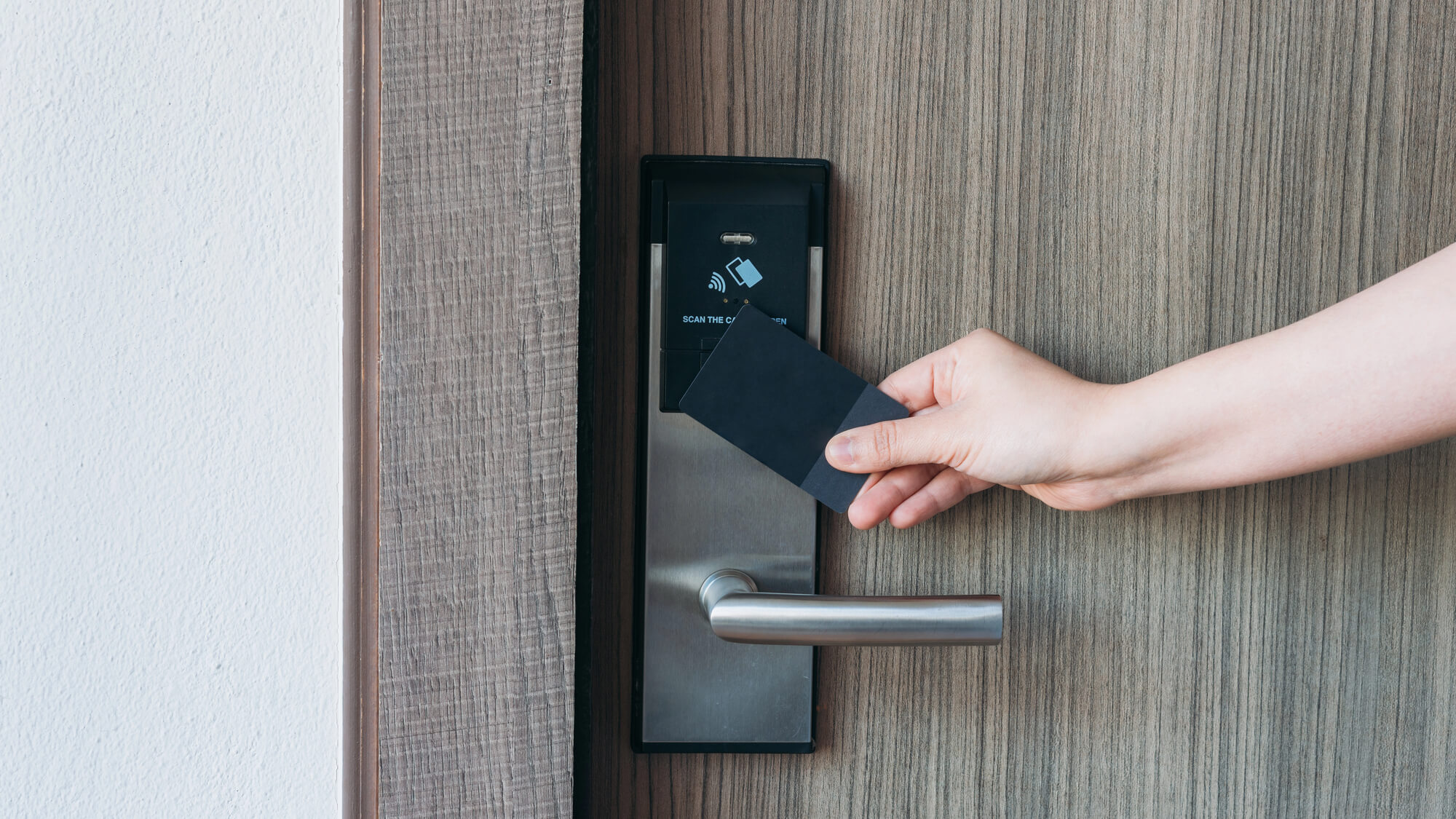
Depending on the facility and application, industrial-grade access control may use card credentials, mobile credentials, biometric scanners, or other authentication technologies.
Electronic access records can also provide valuable information for security operations about when controlled doors were accessed and which credentials were used.
Protect Intellectual Property and Trade Secrets
For some manufacturers, one of the most valuable assets inside the building can’t be replaced by an insurance claim.
R&D laboratories, prototype areas, engineering departments, test facilities, and specialized production environments may contain trade secrets or intellectual property critical to the company’s competitive position.
Access control can help manufacturers:
- Limit sensitive areas to specifically authorized personnel
- Establish different permissions for employees, contractors, and visitors
- Maintain records of access activity
- Restrict entry based on role or operational need
- Add video surveillance around sensitive entry points
This makes security part of the manufacturer’s broader strategy for protecting intellectual property, not simply preventing theft from the building.
Manage Access During Shift Changes
Shift changes create a security challenge that many conventional commercial buildings don’t experience at the same scale.
Large numbers of employees may enter and leave within a relatively short period. This can produce concentrated activity around:
- Employee entrances and exits
- Gates and controlled doors
- Parking areas
- Credential readers
- Production-area access points
Modern access control can help manufacturers align permissions with employee roles, schedules, shifts, and authorized locations.
For example:
- Credentials can also be modified or deactivated when an employee’s responsibilities change or when access should end.
- Temporary access can be established for contractors, visitors, or other authorized personnel without giving them unrestricted or permanent access to the manufacturing site.
The result is a more controlled approach to workforce movement without creating unnecessary friction for employees who need to get to their assigned areas.
Strengthen Visitor and Contractor Management
Manufacturing facilities regularly accommodate people who aren’t employees, including suppliers, inspectors, service technicians, customers, vendors, and contractors.
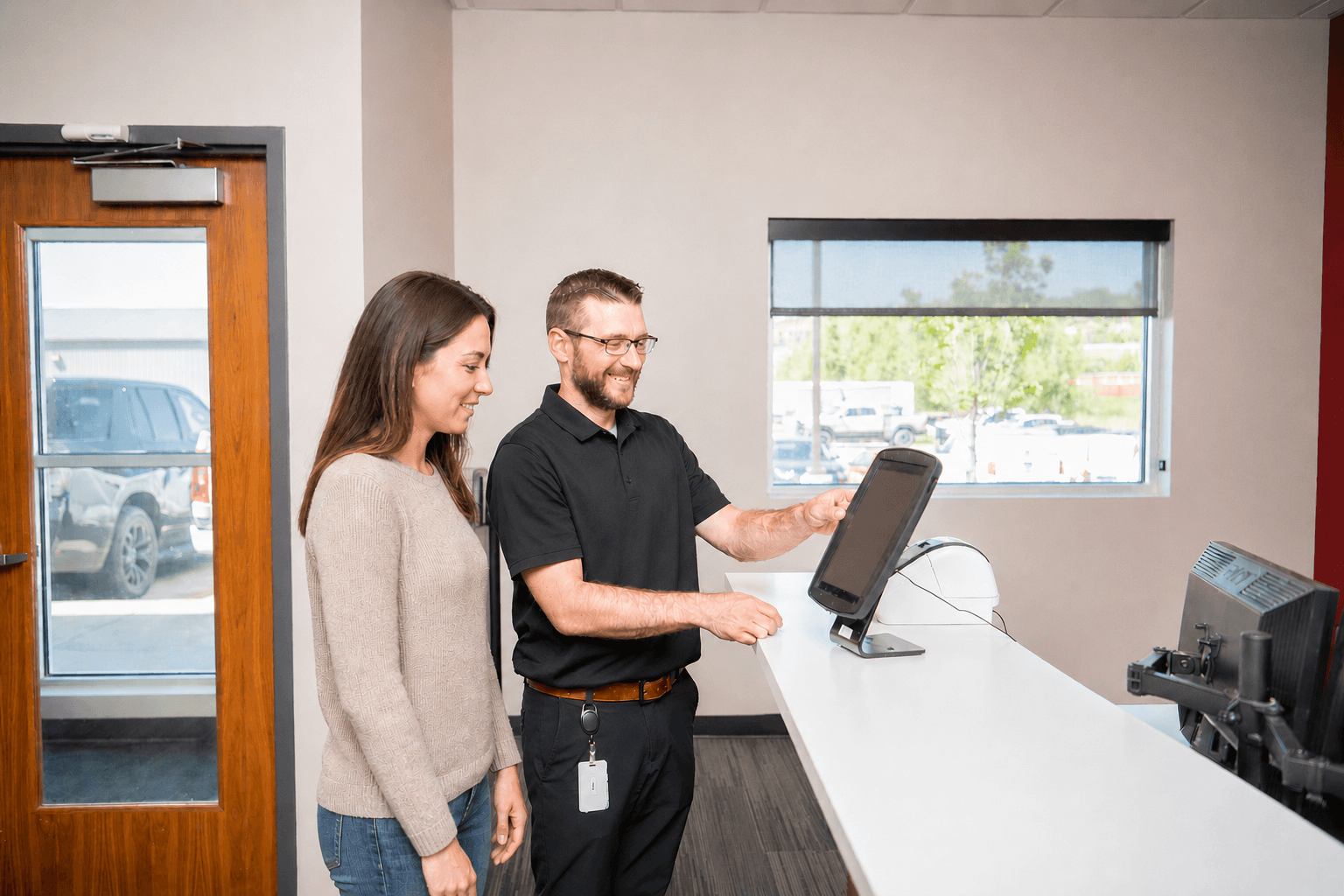
A visitor management system can create a more consistent process for managing these guests. Depending on the organization’s requirements, the process may include:
- Guest registration
- ID scanning
- Visitor IDs or visitor passes
- Host notifications
- Visitor logs
- Defined access periods
- Restrictions for sensitive areas
Visitor management systems become even more useful when they work alongside access control. Rather than simply recording that someone entered the building, manufacturers can establish where that visitor is authorized to go and how long the authorization remains active.
For R&D areas, production environments, or other sensitive locations, that distinction can be particularly important.
Integrate Security With Fire, Gas, and Emergency Systems
Security events don’t occur in isolation, and neither should the systems used to manage them.
Where technically and operationally appropriate, manufacturers can explore integration or coordination between physical security and systems supporting:
- Fire detection
- Gas detection
- Environmental monitoring
- Alarm management
- Emergency notification
- Access control
- Video surveillance
For example, an alarm event could potentially provide security personnel with corresponding camera views or location information, improving situational awareness during incident response. Access control may also play a role in emergency procedures (open certain areas to emergency responders) when systems are designed and configured appropriately.
Note: These integrations should complement rather than replace dedicated life-safety equipment, required fire extinguishers, emergency procedures, or regulatory safety controls.
The objective is greater situational awareness: helping authorized personnel understand what is happening, where it is happening, and which response may be required.
Address Physical Security and OT Cybersecurity Together
The line separating physical security from cybersecurity continues to narrow.
Modern security camera systems, access control devices, sensors, and other security technologies frequently depend on network connectivity. At the same time, manufacturing plants may operate SCADA software, industrial control systems, and other OT and IoT devices that are critical to production.
That creates cyber-physical risk.
A compromised connected device can become a cybersecurity concern, while a cyber incident affecting operational technology can have physical consequences for manufacturing operations.
Manufacturers should therefore consider cybersecurity protections when designing connected security environments. Depending on the organization’s architecture and risk profile, key considerations may include:
- Network segmentation
- Strong authentication and access controls
- Credential management
- Secure device configuration
- Software and firmware maintenance
- Network and security monitoring
- Incident response planning
- Physical protection of sensitive IT and OT infrastructure
Manufacturers concerned about cyber espionage, intellectual-property theft, or a potential data breach should also examine how physical access to sensitive systems intersects with digital access.
Frameworks and standards such as the NIST Cybersecurity Framework, CIS Controls, and ISO/IEC 27001 can provide useful cybersecurity and information-security guidance.
However, they should be applied according to the organization’s environment and requirements.

Manufacturing Security System Checklist
Before investing in new technology, manufacturers should evaluate the facility as an interconnected environment.
A practical security system checklist for manufacturers should consider:
- Facility perimeter, gates, parking areas, and external entry points
- IP-rated cameras appropriate for dusty or harsh environments
- Video surveillance coverage of critical production areas
- AI video analytics and perimeter intrusion detection
- Defined safety-zone monitoring requirements
- Employee and shift-based access permissions
- Equipment, mechanical, electrical, and control-room access
- R&D and intellectual-property protection
- Visitor and contractor management
- Fire, gas, alarm, environmental, and emergency-system integration
- OT, IoT, and physical-security cybersecurity
- Monitoring, maintenance, incident response, and ongoing system management
The checklist should begin with the facility’s actual risks rather than a predetermined list of products. Plant size, industry, existing infrastructure, manufacturing processes, workforce patterns, and operational requirements can all affect which manufacturing solutions make sense.
Build a Manufacturing Security System Around Your Facility
There is no single security architecture that fits every manufacturer, and the right security solutions depend on your specific needs, not a generic package. A small manufacturing business operating from one location has different requirements than a company managing multiple locations, with multiple manufacturing plants, extensive production areas, R&D facilities, specialized machinery, and complex operational technology. In the manufacturing industry, strong security measures are vital for employee safety, protecting workers on the floor and keeping production moving without interruption.
Effective manufacturing security systems start by understanding the facility: its physical layout, industry, workforce, production processes, existing infrastructure, environmental conditions, IT and OT environment, and specific risk profile. That assessment is a strong foundation for every decision that follows, since it helps identify potential problems before they turn into real security threats.
From there, manufacturers can determine how video surveillance, role-based access control, visitor management, alarm systems, analytics, cybersecurity, and safety-system integrations should work together. Today’s systems can support remote monitoring and real time alerts, so teams can respond quickly, and role-based access control keeps restricted areas limited to the people who need them. When these tools communicate through a single platform instead of operating separately, the benefits add up, from smarter threat detection to cost effective management across the whole site, and they help manufacturers streamline operations and enhance security at the same time.
Prime Secured takes this assessment-driven approach to security design, implementation, integration, and ongoing support. Rather than treating cameras, access control, IT, and cybersecurity as disconnected technologies, the objective is to create an integrated solution designed around how the business actually operates, one that addresses cyber risks alongside physical threats and is built to perform as needs change in the future. Improving operational efficiency isn’t the main goal, but it’s a natural result when security measures are designed with production in mind and are essential to performance rather than an obstacle to it.
Ready to evaluate your manufacturing facility’s security?
Contact Prime Secured to discuss a security assessment for your facility.